
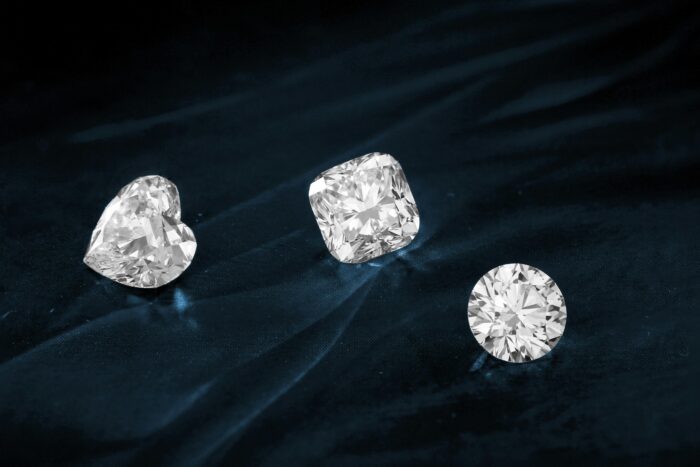
Shopping for a diamond feels exciting until the sparkle showdown begins. One stone glows with pristine diamond clarity, another feels grander on the hand, and suddenly you’re caught between two kinds of beauty. Both seem perfect, but in different ways.
That’s where clarity and carat weight come into play. They influence how your diamond shines, how it feels when you wear it, and the story it tells every time it catches light. Each choice shifts the balance between refinement and presence, purity and scale.
In this guide, you’ll see how diamond carat and clarity grades work together, what really changes from one grade to another, and how to find the balance that makes your engagement ring feel perfectly yours.
Understanding the Basics: The 4 Cs and Why Clarity and Carat Matter Most
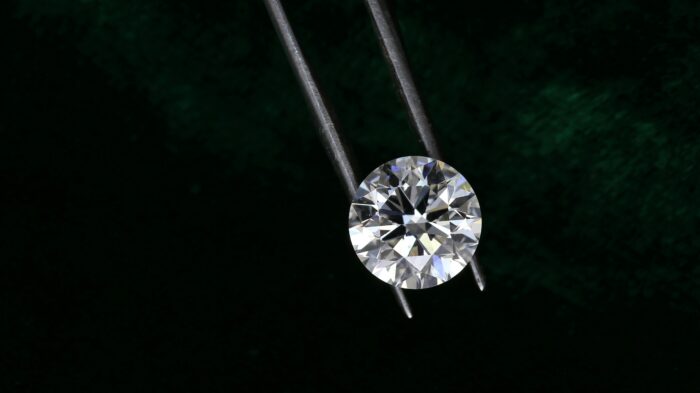
Every diamond tells its story through the 4 Cs: cut, color, clarity, and carat weight. Together, they decide how bright it shines, how clean it looks, and how much it costs. Think of them as a team, each one influencing the rest.
Cut quality controls the sparkle. Color adds warmth or coolness. Clarity grade shows how pure the stone is inside. Carat weight determines how much presence it has on your hand.
While all four matter, diamond clarity and carat often steal the spotlight during the search for an engagement ring. One speaks to perfection under the surface, the other to size and impact. Understanding both is the key to a diamond that feels timeless and beautifully balanced.
What Carat Really Means
Carat sounds straightforward, but it’s one of the most misunderstood parts of diamond shopping. A carat measures weight, not diamond size. One carat equals 0.2 grams, but how large that looks depends on cut quality and different diamond shapes. A well-cut one carat diamond can appear bigger than a poorly cut stone of the same weight.
As carat weight increases, so does rarity and price. Large diamonds need more precision to cut and are found less often in nature, which adds to their value.
Still, carat alone doesn’t decide how impressive a diamond looks. Two diamonds with the same carat weight can appear completely different once light hits them. That’s where clarity, cut, and diamond shapes step in to complete the picture.
What Clarity Really Means
Diamond’s clarity reveals what’s happening inside your diamond. Every diamond forms under extreme heat and pressure, which creates natural marks called inclusions (internal) and blemishes (external). These don’t always hurt its beauty, but they do shape its clarity grade.
The GIA clarity scale starts at Flawless (FL) and Internally Flawless (IF), then moves through Very Very Slightly Included (VVS), Very Slightly Included (VS), Slightly Included (SI), and Included (I). Each step reflects how visible those marks are under magnification.
A skilled grader can spot tiny details, but most are invisible to the naked eye. A well-cut VS2 or SI1 diamond can look completely clean in normal lighting, even if it’s technically a lower clarity grade on paper.
Some stones have fewer inclusions or minor inclusions that don’t affect brilliance, while others may show obvious inclusions or surface blemishes visible under bright light. Understanding these small differences helps you choose with confidence.
How Clarity and Carat Affect Each Other
Clarity and carat are linked more closely than most people realize. As carat weight increases, the diamond’s surface area grows, making inclusions visible to the unaided eye. That means a 2-carat diamond usually needs a higher clarity grade to look clean than a smaller diamond.
Shape matters too. Round, oval, pear, and marquise cuts scatter light in a way that hides imperfections. Emerald or Asscher cuts have long, open facets that act like windows, so grading clarity becomes more important for them.
Budget plays a role as well. A higher carat weight raises price faster than higher clarity, so the key is balance. A slightly smaller stone with strong clarity grades often looks brighter and more elegant than a bigger diamond with visible marks.
Finding the Sweet Spot for Your Engagement Ring
The perfect balance between clarity and carat depends on your personal preference, but here’s how to narrow it down:
If size and presence come first:
- Focus on carat weight before clarity.
- Look for grades like VS2 or SI1, which are typically eye-clean diamonds.
- You’ll get a larger diamond that still looks flawless to the naked eye.
If purity and detail matter more:
- Prioritize clarity and go for VS1 or higher.
- Smaller diamonds with higher clarity feel crisp, refined, and timeless.
- This approach works beautifully for step-cut shapes like emerald or Asscher, where clarity characteristics show more easily.
The right balance between clarity and carat size brings out a diamond’s overall appearance, eye-clean and full of natural sparkle.
Smart Tips for Choosing the Right Diamond
Choosing a diamond feels easier when you know what details actually make a difference. These simple tips keep your focus on what you can see, not what only shows up on paper.
- Start with the cut. A well-cut diamond reflects light better, hiding external blemishes and making the stone appear larger.
- View the diamond up close. Check it in natural and indoor lighting. If it looks clean to your eye, that clarity grade works for you.
- Ask for certification. Look for grading from trusted labs like GIA to confirm accuracy in clarity and carat weight.
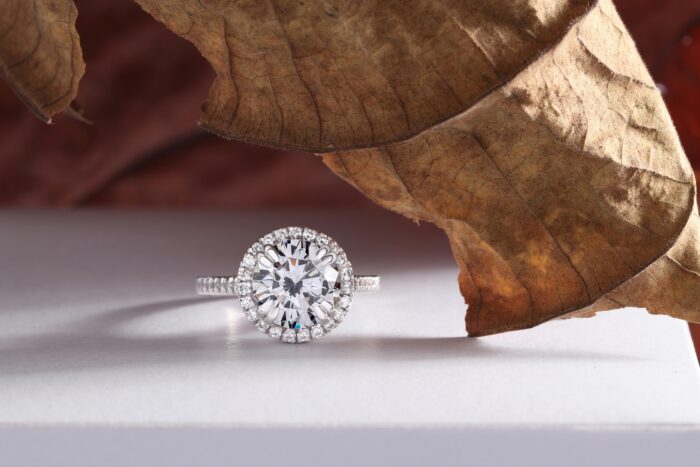
- Play with shape and setting. A halo, bezel, or round brilliant cut can disguise small external imperfections and boost brilliance.
- Explore lab-grown diamonds. They follow the same clarity and carat standards, often offering higher grades within the same budget.
Each small choice shapes how your diamond catches light, feels on your hand, and stands the test of time.
See It in Person at Bridal Rings
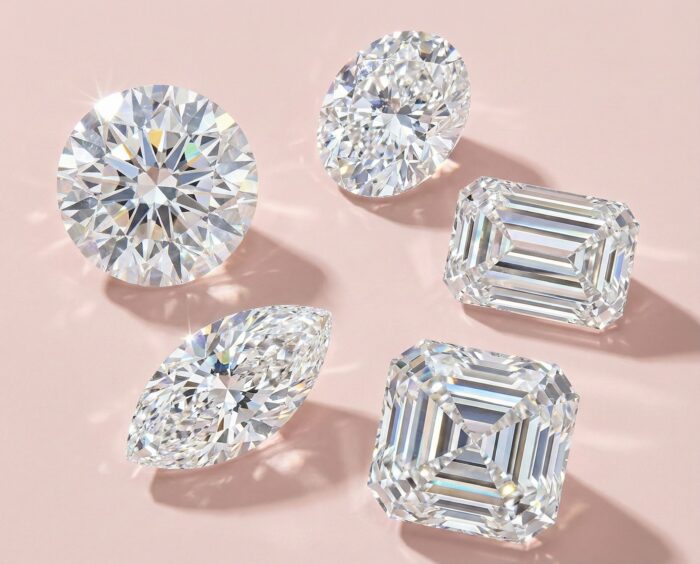
No photo or grading chart compares to seeing a diamond in real light. At Bridal Rings, you can explore clarity and carat side by side, guided by experts who understand how each detail changes what you see.
Book an appointment to view stones up close, compare the same carat weight across clarity grades, and find the combination that looks perfect to your eye. Every diamond in their showroom is GIA-certified, carefully selected, and presented in settings that highlight true craftsmanship.
Whether you’re finalizing your choice or exploring options, Bridal Rings offers a calm, one-on-one experience that helps you choose your ring with confidence and clarity, literally.
Conclusion
Clarity and carat shape how your diamond feels, how it sparkles, and how it represents you. One defines its purity, the other its presence. When you understand both, you stop overthinking the numbers and start noticing what truly catches your eye.
The most beautiful diamonds don’t rely on perfection. They shine because clarity grades and carat weight work together in harmony.
Take your time, compare a few in person, and trust what stands out to you. The right diamond will speak for itself every time it shines.